Algae in aquaculture water
In aquaculture water, there are 5 groups of microorganisms and algae: • Algae – phytoplankton (algae)• Bacteria• Fungal spores (fungi)• Viruses• Zooplankton Common groups of algae in aquaculture ponds: •…

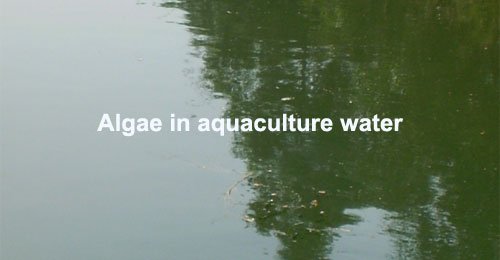
In aquaculture water, there are 5 groups of microorganisms and algae: • Algae – phytoplankton (algae)• Bacteria• Fungal spores (fungi)• Viruses• Zooplankton Common groups of algae in aquaculture ponds: •…
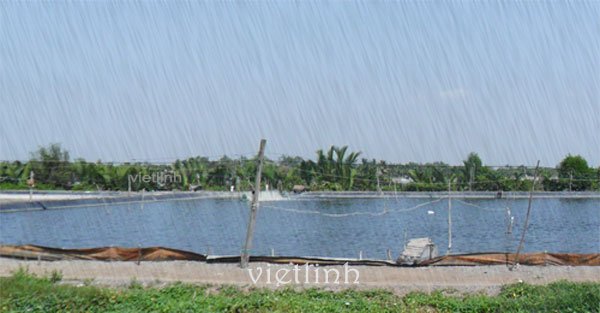
Water hardness measures the content of water-soluble minerals. They are mainly salts containing calcium ions (Ca2+) and magnesium ions (Mg2+). Water hardness is measured by a TDS meter. TDS stands…
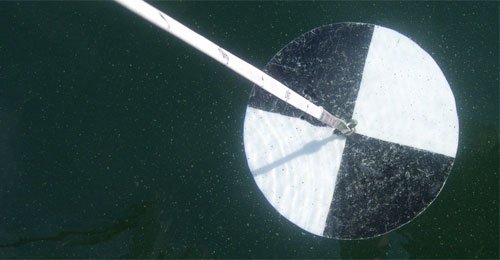
Plankton, algae, dead algae or soil and inorganic particles in water created turbidity. Turbidity is measured by the Secchi disk. Turbidity of water is suitable for shrimp if Secchi disk…

In water, ammonia (NH3) exists in equilibrium with dissolved ammonium ions (NH4+). TAN (total ammonia nitrogen) is the total amount of nitrogen in the forms of NH3 and NH4+ in…
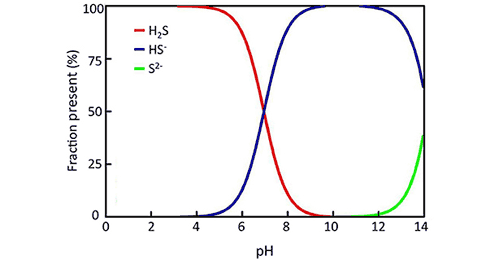
H2S (hydrogen sulfide) is a toxic gas, is formed in anaerobic conditions. In water, H2S (gas) exists in equilibrium with the form HS- ion. If pH is low, the form…

Salinity of water, measured in g/L, or thousandths (ppt), includes mainly sodium chloride NaCl, and other are calcium salt, magnesium salt, potassium sulphate and bicarbonate salts. Each type of shrimp…